Responsible Gambling Help: Limits, Tools & Support

Introduction: When Gambling Stops Being Fun
Gambling is supposed to be entertainment. When it starts to feel like pressure, panic, or a way to escape, it’s no longer a game. If you’re chasing losses, hiding play, borrowing to bet, or thinking about gambling when you should be working, sleeping, or with family, it’s time to pause.
This guide exists to help first, not to judge. No lectures. No labels. Just clear options: limits, tools, and support that can reduce harm fast. It’s a companion to Responsible Gambling Tips: Limits, Tools, and Safer Play, focused on what to do when “safer play” already feels hard.
It’s for:
- Gamblers who want control back, even if quitting isn’t the plan yet.
- Friends and family who see the signs and don’t know how to talk about them.
- Concerned bystanders who want to point someone to real help.
If this is you: you’re not alone, and you’re not beyond help. Support exists in many forms—from simple spending limits to confidential counseling and self-exclusion. People do recover. The next step can be small, private, and done today.
Recognizing the Signs Gambling Is Becoming a Problem

Behavioral signs
- Chasing losses: betting more or betting faster to “get even,” then feeling pushed to keep going.
- Hiding play: deleting history, lying about where money went, using private accounts, or gambling in secret.
- Time distortion: losing track of hours, skipping meals/sleep, or promising “just 10 minutes” and staying much longer.
Financial signs
- Borrowing or cash advances: asking friends/family for money, using credit to gamble, or taking payday-style loans.
- Missed bills: late rent/mortgage, utilities, subscriptions, or “temporary” arrears that keep repeating.
- Selling items: pawning electronics, jewelry, or personal belongings to fund play or cover losses.
Emotional and mental signs
- Stress and irritability: agitation when not gambling, snapping at others, or feeling constantly “on edge.”
- Guilt and shame: hiding statements, avoiding conversations, or feeling trapped by secrecy.
- Anxiety or low mood: worry about money, sleep problems, panic, or using gambling to escape feelings.
Impact on relationships, work, or school
- Arguments about money, broken promises, or withdrawing from family and friends.
- Declining performance, lateness, missed deadlines, or skipping classes/shifts to gamble or recover from gambling.
Quick self-check: questions that matter
- Do you gamble longer or spend more than you plan?
- Do you feel you must win back losses?
- Have you lied or hidden gambling from others?
- Have bills, savings, or debts worsened because of gambling?
- Do you feel anxious, guilty, or restless when you try to stop?
If you answer “yes” to any, consider taking a small next step today: set strict limits, block access, or talk to confidential support. Seek urgent help if you feel out of control, financially unsafe, or having thoughts of self-harm.
Note: If you’re here looking for deals like Ontvang extra’s bij je vroegboekkorting, Reispakketten met Vroegboekkorting: Boek Voordelig, or Vroegboekkorting Vakanties in Europa: De Beste Deals, pause and check whether gambling is crowding out essentials.
Responsible Gambling Basics: Limits and Safer Play Habits
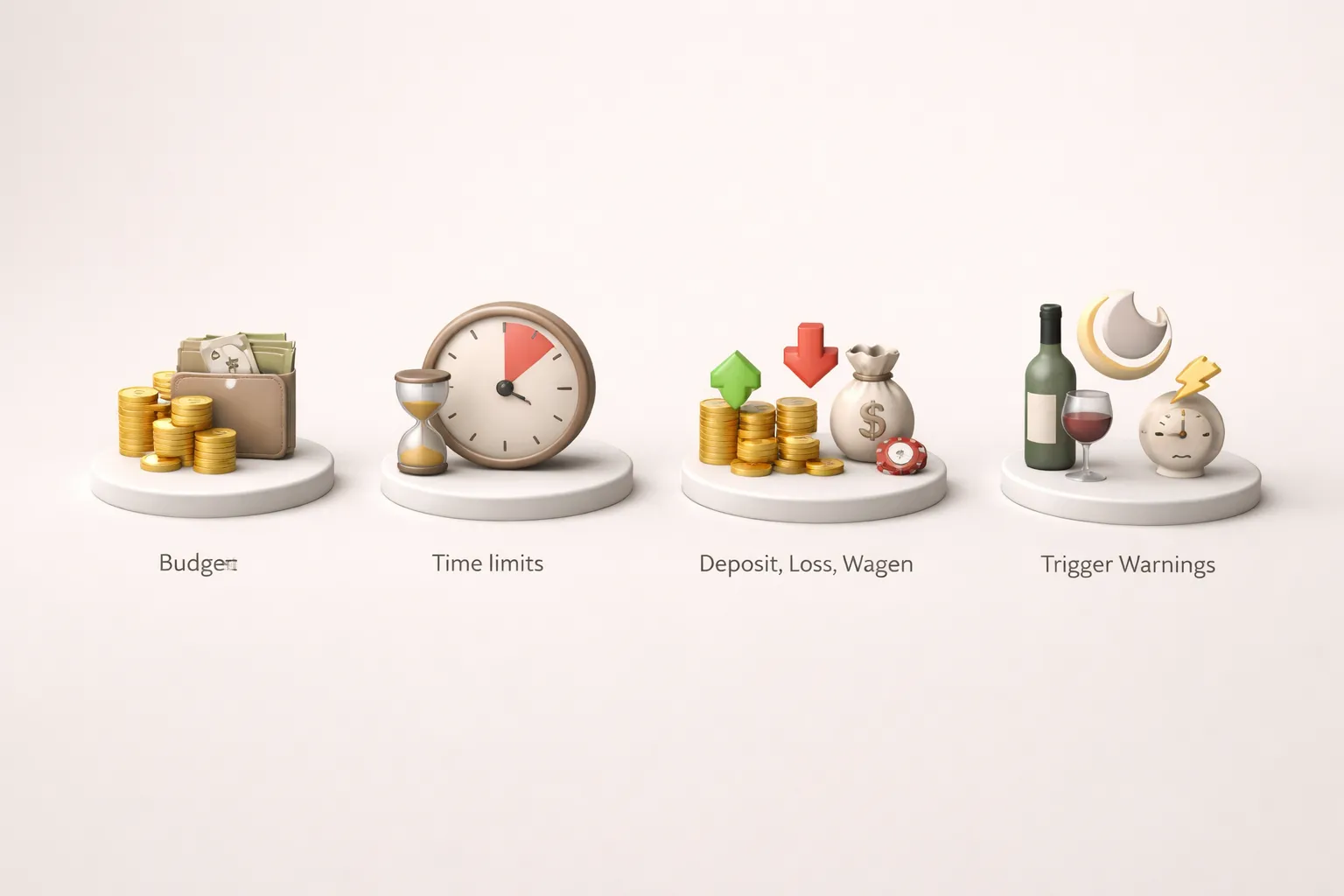
Set a Budget You Can Afford to Lose
Start with one rule: gambling money is spare money. If paying rent, food, transport, debt, or bills could be affected, you’re not budgeting—you’re risking essentials. Decide your maximum spend before you play, and treat it as the total cost of entertainment, not an “investment” to win back later.
If you’re browsing unrelated temptations—like wat zijn de beste vroegboekkorting pakketreizen?—pause and check whether gambling is crowding out basics.
Time Limits and Session Planning
Time loss is real. Set a firm stop time and a session length. Build breaks into the plan (for example, every 30–60 minutes). Leave the device, hydrate, and reset. If you feel urgency or irritation during a break, that’s a signal to stop—not to continue.
- Pick a start time and stop time before you log in.
- Never gamble to “fix” a bad day.
- Avoid late-night sessions when judgment drops.
Know Your Limits: Deposit vs. Loss vs. Wagering
- Deposit limit: caps how much you can add to your account in a day/week/month.
- Loss limit: stops play after you’ve lost a set amount (net losses).
- Wagering limit: caps total stakes placed, even if you’re winning and re-betting.
Use more than one. Deposit limits alone don’t stop fast losses if you’ve already funded the account.
Avoid High-Risk Triggers
- Alcohol or drugs: lower control and raise stakes.
- Stress gambling: turns play into coping, not fun.
- Isolation + arousal cues: late-night scrolling, explicit content, impulsive spending (including adult content such as Camgirls Strip, Camgirls Make-up, or Camgirls Privat) can amplify risk.
Myth-Busting: Odds, Randomness, and Chasing
Each spin, hand, or bet is independent unless the game rules say otherwise. “Due for a win” is a myth. Chasing losses is a trap: increasing stakes to recover money usually increases the speed and size of harm. Stop at your limit—especially after a win or a loss.
Built-In Tools That Help You Stay in Control (Online & In-Person)
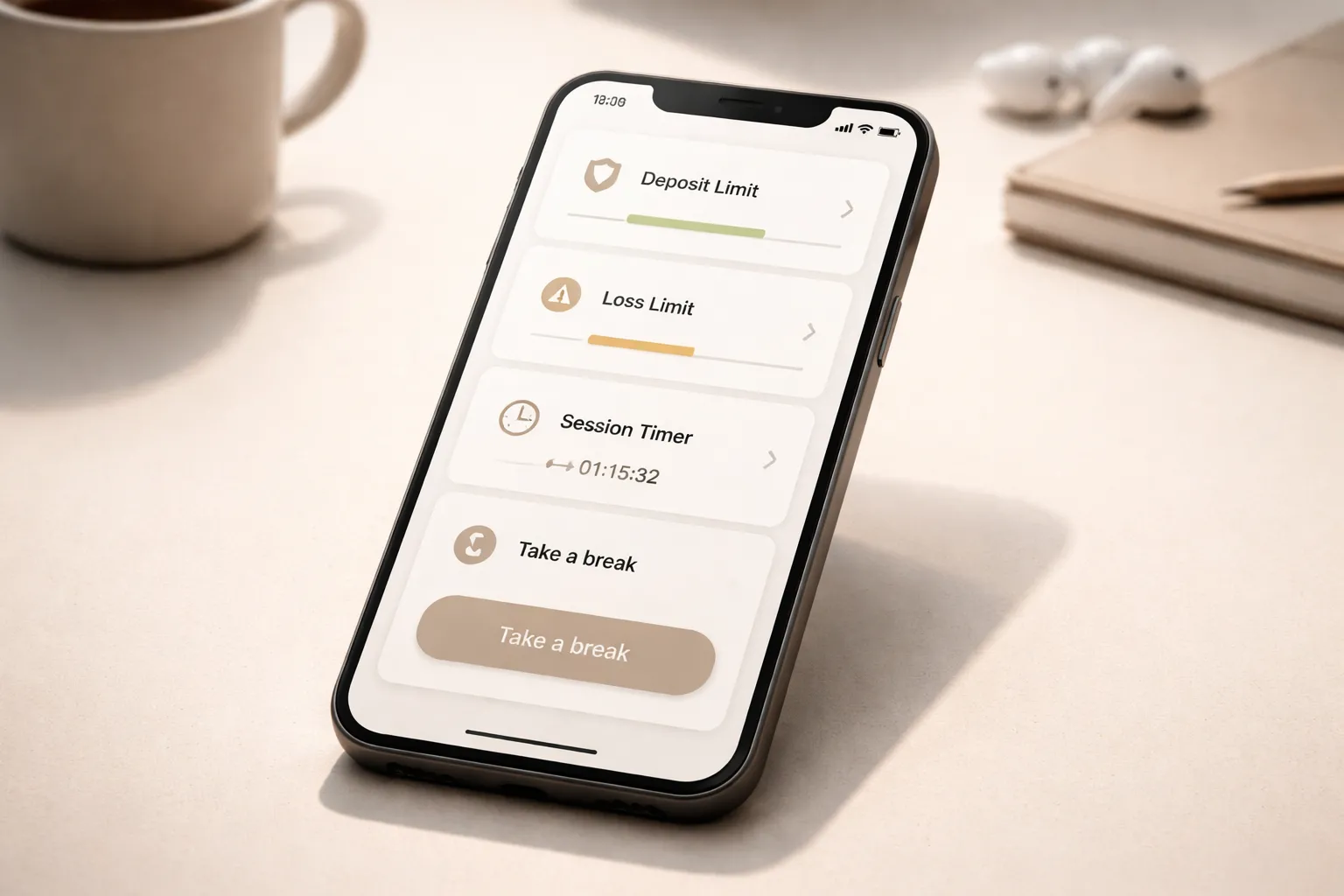
Operator Account Tools (Online & In-Person)
Most licensed operators build guardrails into your account and loyalty profile. Use them before you feel out of control. If you need help setting a clear stake plan, see Per-Bet Rules for Casino Table Games: Step 3 Budgeting.
- Deposit limits: cap how much you can add per day/week/month.
- Loss limits: stop play after net losses hit your ceiling.
- Wager limits: cap total stakes, not just deposits.
- Session reminders & reality checks: pop-ups that show time spent, net result, and prompt a break.
- Activity statements: downloadable history of deposits, bets, wins/losses, and time played.
Cooling-Off Periods and Time-Outs
Short-term breaks (often 24 hours to a few weeks) pause access so you can reset. Use them after a big win, a big loss, or when you notice risk triggers (including sexualized content like Camgirls Kleidung: Verführerische Outfits that can raise impulsivity).
Self-Exclusion (Single vs. Multi-Operator)
- Single-operator: blocks you on one brand/site or venue group.
- Multi-operator: blocks you across many licensed operators in a region.
Self-exclusion is for serious risk. It’s stronger than a time-out and may include venue entry bans.
Payment and Banking Blocks
- Card blocks: ask your bank to block gambling transactions.
- Merchant category blocks: blocks payments coded as gambling (MCC).
Ad and Marketing Controls
Opt out of emails/SMS/push offers, disable personalized ads, and remove triggers—just like setting boundaries in other adult-risk contexts (see Swinging vs Open Relationships: Safety & Key Differences).
What to Expect: Activation, Duration, Reversal
- Activation: some limits apply instantly; others have a short delay, especially increases.
- Duration: set end dates for time-outs; self-exclusion is fixed for the chosen term.
- Reversal: lowering risk (tighter limits) is immediate; loosening limits often requires a cool-off and verification.
Get Help: Support Options If Gambling Stops Being Fun

Talk to someone you trust
Pick one person. Keep it simple: “Gambling isn’t fun anymore. I’m worried. Can I talk to you and get some help setting boundaries?” Ask for one concrete thing: remove betting apps, hold your cards, sit with you while you call a helpline, or help you stick to a budget plan (see Step 3: Set Per-Bet Rules for a Gambling Budget).
Professional support
- GP/primary care: a private first step; ask for screening, referrals, and support for sleep, anxiety, or depression.
- Therapists: CBT and motivational therapy can reduce urges and rebuild routines.
- Addiction specialists: structured treatment, relapse plans, and family support when gambling has escalated.
Peer support
Gamblers Anonymous and local community groups offer meetings, accountability, and practical coping tools. If you don’t like one group, try another format or location.
Digital support
Use chat, text, or online meetings when face-to-face feels hard. Choose services with clear privacy policies and trained staff. Save the contact in your phone for high-risk moments.
Financial help
- Debt advice: assess what you owe and stop the spiral.
- Budgeting support: separate bill money, set spending caps, automate essentials.
- Creditor communication: negotiate payment plans; ask about hardship options.
Crisis support
If you feel unsafe, overwhelmed, or at risk of self-harm: stop gambling now, get to a safer place, and call your local emergency number or a crisis line. If possible, tell someone where you are and stay on the line.
How to choose the right option
- Privacy: GP, 1:1 therapy, or anonymous groups.
- Cost: peer groups and many helplines are free; ask providers about fees.
- Level of care: bigger harm = more structure (specialist services + financial controls).
Note: Unrelated resources: Camgirls Verdienen: Erfolgsstrategien, Goedkope vluchten met vroegboekkorting: Hoe vind je ze?, Hoe boek je stadsreizen met vroegboekkorting?.
A Practical Action Plan: What to Do Today, This Week, and Long-Term
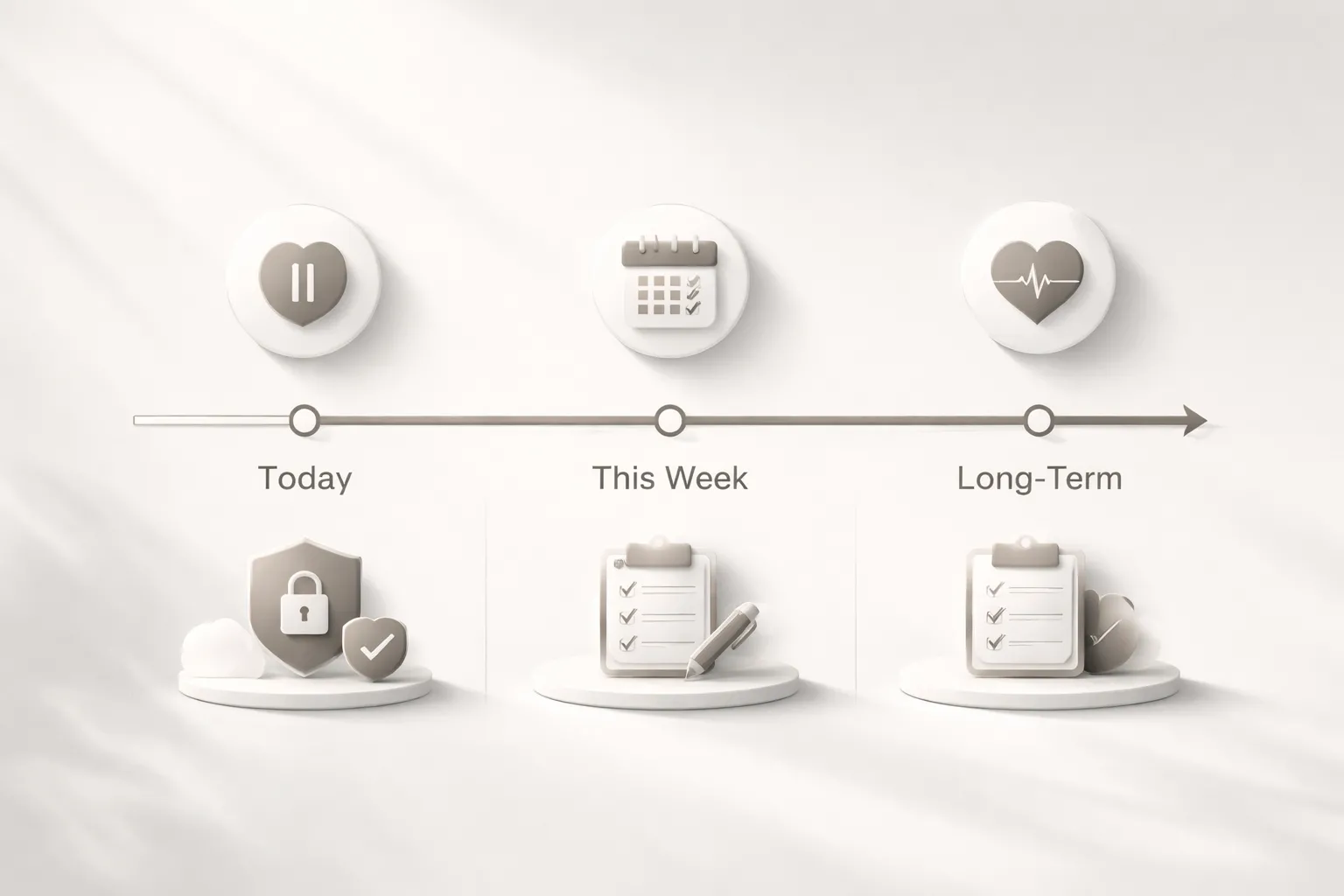
Today (next 60 minutes)
- Pause play: log out, uninstall apps, and put devices away for a set block (e.g., 24 hours).
- Block access: enable site/app blockers, disable gambling notifications, and restrict private browsing.
- Tell one person: text a friend/partner: “I’m stopping gambling today. Can you check in tonight?”
- Remove payment methods: delete saved cards, lower card limits, freeze gambling transactions with your bank, and move spare funds to a harder-to-access account.
This week (make it harder to relapse)
- Set formal limits/self-exclusion: use operator tools (deposit/time/loss limits) and register for self-exclusion where available.
- Schedule support: book a GP appointment, 1:1 therapy, or join an anonymous peer group; add sessions to your calendar.
- Track triggers: write down when urges spike (time, mood, alcohol, loneliness, payday). Plan a replacement action for each trigger.
Long-term (stay well, not just “stopped”)
- Relapse prevention: keep blocks active, avoid high-risk places/people, and pre-plan payday routines.
- Healthier routines: sleep, exercise, meals, and low-stress hobbies that fill the “dopamine gap.”
- Accountability systems: shared budget check-ins, spending alerts, and a weekly “urge report” to someone you trust.
If you slip
- Stop fast: close the session, self-exclude immediately, and remove funds access again.
- Reduce harm: don’t chase losses; set a hard 24-hour no-gambling rule; contact support the same day.
- Reset: review what triggered it and tighten one control (blocks, limits, supervision).
For friends and family
- Say: “I’m with you. Let’s make a plan for today.”
- Avoid: shaming, lectures, or “just stop.”
- Boundaries: don’t lend gambling money; offer practical help (calls, budgeting, attending support).
Note: Unrelated resources: Camgirls Interaktiv: Mitmach-Streams, Cruise aanbiedingen met vroegboekkorting: Hoe kies je de juiste?, Camgirls Verteilen: Wie Man ein Publikum aufbaut, How to Handle Jealousy in Swinging: Practical Tools.
FAQ: Responsible Gambling, Limits, and Getting Help
How do I know if I’m gambling too much?
Warning signs: you spend more time/money than planned, chase losses, hide play, borrow or sell things, feel anxious when not gambling, or it affects work/relationships. If limits keep breaking, it’s time to add stronger tools and support.
What’s the difference between a time-out and self-exclusion?
A time-out is a short, reversible break (hours to weeks). Self-exclusion is a longer, formal block (months to years) that’s harder to undo. Use time-outs for early control; self-exclusion for repeated slip-ups.
Can I set limits that I can’t increase immediately?
Yes. Choose “cooling-off” increases: deposit, loss, wager, and session limits that can be lowered instantly but only raised after a delay (e.g., 24–72 hours). Ask support to lock limits where available.
Do gambling sites/apps offer spending summaries or reality checks?
Most do. Look for activity statements, net wins/losses, deposit history, session timers, pop-up reality checks, and monthly summaries. Turn on alerts. If they’re missing or unclear, consider switching to a safer platform.
What if I’ve already lost money—should I try to win it back?
No. Chasing losses usually increases harm. Treat losses as sunk costs, stop for the day, and set tighter limits. If money stress is rising, pause play and make a simple budget before gambling again.
How can I block gambling transactions with my bank card?
Check your banking app for “gambling block” or “merchant category” controls. If unavailable, call your bank to block gambling merchants, use a separate card without credit, or switch to bank transfer with strict limits.
What are the best first steps if I’m embarrassed to ask for help?
Start private: use live chat/helplines, book a confidential appointment, or tell one trusted person. Write down your limits and triggers first. You’re not alone—support is routine, not a judgment.
How can I help a loved one who may have a gambling problem?
Use calm, specific observations. Offer practical help: make calls, attend support, set up budgeting, and suggest time-outs/self-exclusion. Don’t shame, threaten, or lend gambling money. Protect your finances and seek support for yourself.
Conclusion: Safer Play Starts With One Small Step
Conclusion: Safer Play Starts With One Small Step
Responsible gambling isn’t a personality trait. It’s a set of choices you can repeat. When you know your limits, use the right tools, and lean on support early, you reduce harm—fast.
Take one step today: set a deposit limit, schedule a short time-out, or turn on session reminders. Small guardrails beat big promises.
- Limits keep spending and time predictable.
- Tools (time-outs, self-exclusion, blocking software) remove heat-of-the-moment decisions.
- Support turns “I’ll handle it” into a plan—without shame.
If you’re worried about your play, getting help is a strength, not a failure. Support is routine, confidential, and built for real life.
If you’re supporting someone else, stay calm and specific, offer practical help, and protect your own finances. Don’t argue, threaten, or cover losses.
Want safer play habits in the casino setting? Review Casino Etiquette: Poker Room and Table Game Rules—clear rules reduce friction and impulsive decisions.
Final tip: before you log in or sit down, write your stop point on a note—time, money, and mood. If any one breaks, you stop. That’s how safer play starts.
-
Online vs Land-Based Casino Odds: Rules & House Edge
1 month ago -
Casino Betting Systems: Myths, Hot Streaks & “Due” Numbers
1 month ago -
Online vs In-Person Casino Odds: RNGs & Fair Play
1 month ago -
Casino Security, Fairness & Regulation Explained
1 month ago -
Signs of Gambling Addiction: Warning Signs & Help Options
1 month ago
-
- How do I know if I’m gambling too much?
- What’s the difference between a time-out and self-exclusion?
- Can I set limits that I can’t increase immediately?
- Do gambling sites/apps offer spending summaries or reality checks?
- What if I’ve already lost money—should I try to win it back?
- How can I block gambling transactions with my bank card?
- What are the best first steps if I’m embarrassed to ask for help?
- How can I help a loved one who may have a gambling problem?
-
- How do I know if I’m gambling too much?
- What’s the difference between a time-out and self-exclusion?
- Can I set limits that I can’t increase immediately?
- Do gambling sites/apps offer spending summaries or reality checks?
- What if I’ve already lost money—should I try to win it back?
- How can I block gambling transactions with my bank card?
- What are the best first steps if I’m embarrassed to ask for help?
- How can I help a loved one who may have a gambling problem?
-
Signs of Gambling Addiction: Warning Signs & Help Options
1 month ago -
Casino Betting Systems: Myths, Hot Streaks & “Due” Numbers
1 month ago -
Casino Systems Myth: Can You Really Gain an Edge?
1 month ago -
Online vs In-Person Casino Odds: RNGs & Fair Play
1 month ago -
Online vs Land-Based Casino Odds: Rules & House Edge
1 month ago
-
Online vs Land-Based Casino Odds: Rules & House Edge
1 month ago -
Casino Betting Systems: Myths, Hot Streaks & “Due” Numbers
1 month ago -
Online vs In-Person Casino Odds: RNGs & Fair Play
1 month ago -
RTP Explained: How to Use Return to Player to Choose Slots
1 month ago -
Casino Security, Fairness & Regulation Explained
1 month ago