Casino Etiquette 101: Rules and Tips for First-Time Visitors

Casino etiquette affects your play, your pace, and your bankroll. Break the rules and you slow the table, irritate staff, and risk a warning or removal. This guide gives you the core habits to follow on your first visit.
You will learn what to wear, how to handle chips and cash, when to talk and when to stay quiet, how to tip, and how to act at slots, table games, and poker. You will also learn the most common mistakes new players make, like touching bets after the deal, using your phone at the table, or filming on the floor.
If you also want the basics on how casinos run and why games pay the way they do, read /what-is-a-casino-and-how-does-it-work-a-beginner-s-guide.html and /how-casinos-make-money-house-edge-rtp-and-the-math-behind-it.html.
What is casino etiquette and rules for first-time visitors?
What casino etiquette means
Casino etiquette is the set of behaviors that keeps games fair and fast. Some rules are written casino policies. Others are unwritten norms shared by players and staff.
Written policies cover things like IDs, dress codes, smoking areas, and where you can use your phone. Unwritten norms cover how you handle chips, when you speak, and how you act at the table.
Written rules vs. unwritten norms
- Written casino policies: Posted signs, house rules, and game rules. Security enforces them. Breaking them can get you warned, removed, or banned.
- Game procedures: Dealer instructions, betting limits, and when you can touch cards or chips. Dealers must follow these.
- Unwritten etiquette: Courtesy, table flow, and avoiding actions that slow play or create disputes. Players notice fast.
If you are unsure, follow the dealer’s instructions. Read the table placard. For slots and video poker, check the paytable and rules before you play. Use /how-to-read-casino-game-rules-and-paytables-so-you-know-what-you-re-playing.html for a fast walkthrough.
Core principles that keep you out of trouble
- Respect: Treat dealers and other players like coworkers, not opponents. Tip when you get good service and you can afford it.
- Pace of play: Decide before it is your turn. Keep your hands off chips and cards until the right moment.
- Visibility to the dealer: Keep bets clear and inside the betting box. Keep hands above the table when you can.
- Game integrity: No phone calls at the table. No filming. No touching other players’ chips. No side deals.
Common first-timer mistakes and how to avoid them
| Mistake | Why it causes problems | Do this instead |
|---|---|---|
| Touching your bet after the deal or spin starts | It looks like you changed your wager. | Place your bet once. Keep your hands back until the dealer pays or collects. |
| Late bets | It slows the game and can trigger disputes. | Bet when the dealer says “place your bets.” If you miss it, wait for the next hand. |
| Using your phone at the table | Casinos block phones to prevent cheating and distractions. | Step away from the table to text or call. Follow posted phone rules. |
| Filming or taking photos on the floor | It can capture other guests and security layouts. | Ask staff first. Many casinos allow photos in public areas, not at tables. |
| Hiding chips, “splashing” the pot, or tossing chips carelessly | Dealers must see and verify every bet. | Stack chips neatly. Slide them forward in one pile inside the betting area. |
| Handling cards when the rules say “no touch” | Some games require cards to stay on the felt. | Watch the first few hands. Copy the table. Ask the dealer what is allowed. |
| Giving advice during hands | It creates tension and slows decisions. | Keep comments to yourself until the hand ends. |
| Playing games you do not understand | You make avoidable errors and slow the table. | Start with simple games. Use /best-casino-game-for-beginners-the-easiest-games-to-learn-first.html to choose. |
| Arguing about outcomes | It disrupts play and rarely changes anything. | Ask one clear question. If needed, request a floor supervisor. |
Quick rules you can follow at any casino
- Keep your chips and hands visible.
- Do not touch money or chips once the action starts.
- Follow the dealer’s pace and instructions.
- Step away to use your phone.
- Do not film unless staff says yes.
- When in doubt, watch one round before you play.
Before You Go: Dress codes, ID, budgets, and basic prep
Dress code basics
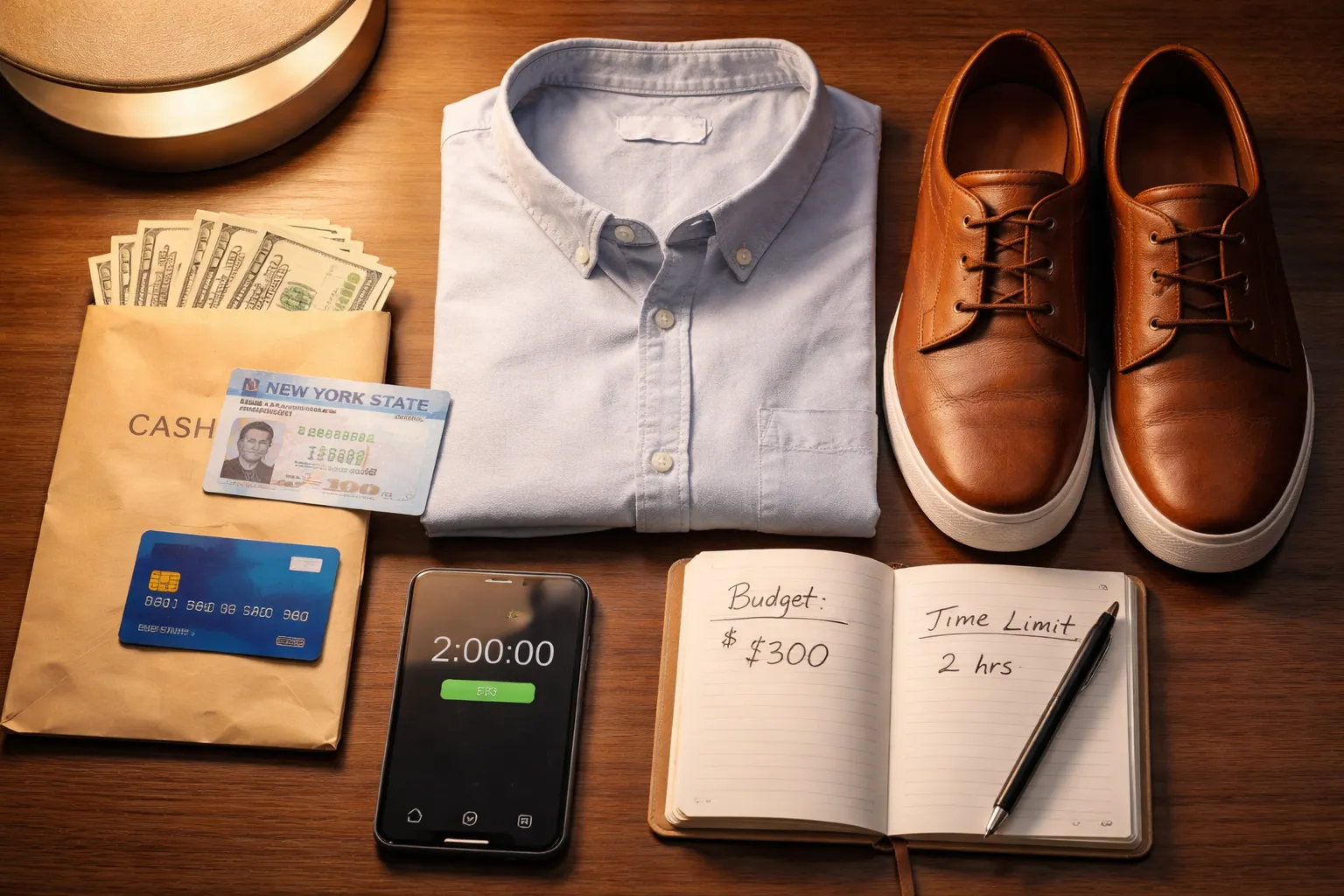
Check the casino site before you go. Many floors allow casual wear during the day. Nights often tighten the rules.
- Daytime, most casinos: Clean jeans or shorts, a plain shirt, closed shoes. Skip ripped clothing and dirty workwear.
- Nighttime, resort casinos: Expect more checks at bars, clubs, and nicer restaurants. Wear smart casual. Bring closed shoes.
- Local casinos: Often more relaxed, but they still enforce “no offensive graphics” and “no bare feet.”
- High-limit rooms: Some require collared shirts, long pants, and closed shoes. Staff can turn you away even if the main floor does not care.
- Special venues: Clubs and fine dining can require dress shoes and a jacket. Check venue rules, not the casino rules.
What to bring
Bring what you need to get in, get paid, and cash out. Leave the rest at home.
- Valid ID: Bring a government photo ID. Many properties scan IDs at entry or at the cage. If you look young, expect checks at the table, bar, and club.
- Payment method: Carry a debit card for ATM use and a backup card for hotel and food. Some casinos limit credit card cash advances, and fees can run high.
- Cash: Bring the amount you plan to lose. Cash moves faster at tables and avoids repeat ATM fees.
- Players card: Sign up if you plan to play more than once. Use it at slots and when you buy in at tables if the dealer asks. Do not slow the game to hunt for it.
| Item | Why it matters |
|---|---|
| Cash (planned amount) | Controls spend, faster buy-ins, fewer fees. |
| Debit card | ATM access if you must reload, fees may apply. |
| Government ID | Entry, age checks, cashing larger amounts. |
| Players card | Tracks play for comps, may reduce bounce between ATMs and kiosks. |
Know the game rules before you sit down. A fast read of paytables and house edge can save money. Use your prep time to learn which games usually give you better odds at this link: /which-casino-games-have-the-best-odds-ranked-by-house-edge.html.
Responsible gambling prep
Set limits before the first bet. Decide them while you still think clearly.
- Loss limit: Pick a number you can afford to lose. Stop when you hit it. Do not chase.
- Time limit: Set a hard stop on your phone. When it goes off, cash out or take a long break.
- Drink plan: Decide how many drinks you will have. Alcohol makes you bet faster and tip worse. Drink water between rounds.
- Session plan: Break your bankroll into smaller chunks. Bring one chunk to the floor, keep the rest in your room safe if you can.
If you want a simple way to avoid surprises, read the rules and payouts first. Use this: /how-to-read-casino-game-rules-and-paytables-so-you-know-what-youre-playing.html.
Phone and photography rules
Casinos protect game integrity and guest privacy. Assume staff will enforce strict rules.
- On the gaming floor: Keep your phone use brief. Step back from tables before you text or take a call.
- At table games: Do not hold your phone over the layout. Do not record hands, chips, or dealers.
- At slots: Photos of your own machine often slide, but staff can still stop you. Do not film other players.
- Near cages and security: No photos. Expect immediate pushback.
- Staff instruction: If an employee says stop, stop. Do not argue.
If you play electronic games, know that results still come from regulated systems. If you want the basics, see: /casino-rng-explained-how-random-number-generators-work.html.
Casino Floor Basics: Courtesy, safety, and general do’s & don’ts

Respect personal space, no hovering
Give players room. Stay out of their shoulder space. Do not stand close enough to see their cards, chips, or screen.
- Do not hover behind a seated player. Walk past, then stop elsewhere.
- Do not lean on a table or a slot bank while someone plays.
- Do not touch another player’s chips, cards, or buttons. Ever.
- If you want a seat, wait until the hand ends. Ask the dealer if it is open.
Keep aisles clear, do not block staff or cameras
Casinos run on traffic flow and surveillance. You slow games and raise attention when you block paths or sightlines.
- Keep moving in main walkways. Step to the side if you need to check your phone.
- Do not stand in table entrances, behind the dealer, or at chip racks.
- Do not crowd the craps rail if you are not betting. Watch from back row.
- Strollers, bags, and coats stay out of aisles. Use coat check or your room.
Alcohol etiquette, stay in control
Free drinks do not excuse slow play. Intoxication leads to mistakes, arguments, and removal.
- Order simply. Pay attention when it is your turn.
- Do not handle chips, cards, or cash with wet hands. Wipe up spills fast.
- If you feel impaired, stop gambling. Take a break and hydrate.
- Do not pressure dealers or servers for faster service or stronger pours.
Noise and celebration, win politely
Energy is normal. Disruption is not. Staff will step in if you disturb other players.
- Cheer without yelling in someone’s ear.
- Do not slam machines, pound the table, or throw chips.
- Do not argue about “bad luck” or blame other players for outcomes. If you need the facts, read Casino Myths vs Facts.
- Keep phone calls short and away from tables.
Smoking and vaping rules
Rules vary by property and by area. Follow signs and floor staff directions.
- Smoke only where permitted. Do not assume a table area allows it.
- Do not vape at the table unless the casino allows it in that zone.
- Use ashtrays. Do not rest cigarettes on railings or machines.
- If smoke bothers you, move. Ask staff for non-smoking sections.
When to ask questions, and who to ask
Ask before you act. Ask the right person. Keep it short during live play.
- Dealers: Game procedure, betting order, table limits, payout rules. Ask between hands.
- Floor staff: Seat changes, disputes, player card help, general rule clarifications.
- Pit boss: Serious issues, rulings, comps questions, identification checks, escalations.
- If you want a low-pressure start, read Best Casino Game for Beginners.
Table Game Etiquette: How to act at blackjack, roulette, baccarat, craps, and poker
Table games move fast, and the table expects you to keep up. Your goal is simple, protect the game flow and avoid touching anything you should not touch. Use clear hand signals where required, keep chips in clean stacks, and place bets on time. Know what you can handle and sit at limits that match your bankroll. Do not slow the table with side lessons. Watch one full round before you join, then follow the dealer’s pace. Tip in a way that does not interrupt play. Keep your phone and drinks away from the betting layout. Each game has its own friction points, blackjack hand signals, roulette chip placement, baccarat squeeze rules, craps calls and dice control, poker turn order and pot handling. Learn the few rules that stop arguments.
- Blackjack: Use hand signals, do not touch cards in shoe games, act in turn, keep chips outside the betting circle until the round ends.
- Roulette: Place bets before “no more bets,” do not reach over the layout, keep your hands off other players’ stacks.
- Baccarat: Bet Banker, Player, or Tie only, avoid late wagers, do not touch cards unless the dealer allows a squeeze.
- Craps: Wait for a point, do not say “seven,” keep hands off the table when the dice move, use clear calls.
- Poker: Act in turn, protect your hand, keep one chip visible for a call, do not slow-roll.
Read our detailed guide: Table Game Etiquette: How to act at blackjack, roulette, baccarat, craps, and poker - Casino Etiquette 101: Rules and Tips for First-Time Visitors
Slots & Electronic Games Etiquette: Machines, seats, and jackpots

Machine reservations and “saving” a seat
Slots work on possession. If someone sits at a machine, it is taken.
A seat often still counts as taken when you see a player’s card in the reader, credits on the screen, or a drink and personal items at the machine.
- If a player steps away, give them time. Many casinos treat 5 to 10 minutes as a reasonable short break.
- If the machine shows credits but no one is there, do not start playing. Tell an attendant.
- If there are no credits, no card, and no items, the machine is usually fair game.
- Do not “reserve” a machine with a jacket, a cup, or a ticket. Staff may clear it.
Space, chairs, and personal area
Give players room. Do not hover behind a seat or watch the screen over someone’s shoulder.
- Keep aisles open. Do not park a chair where people walk.
- Ask before using an empty chair next to a player. Some seats belong to that machine.
- If a machine has two seats, use the seat for that machine. Do not pull chairs from other machines.
- If you need help, stand to the side and flag an attendant. Do not lean on the machine.
Cash-out tickets and TITO basics
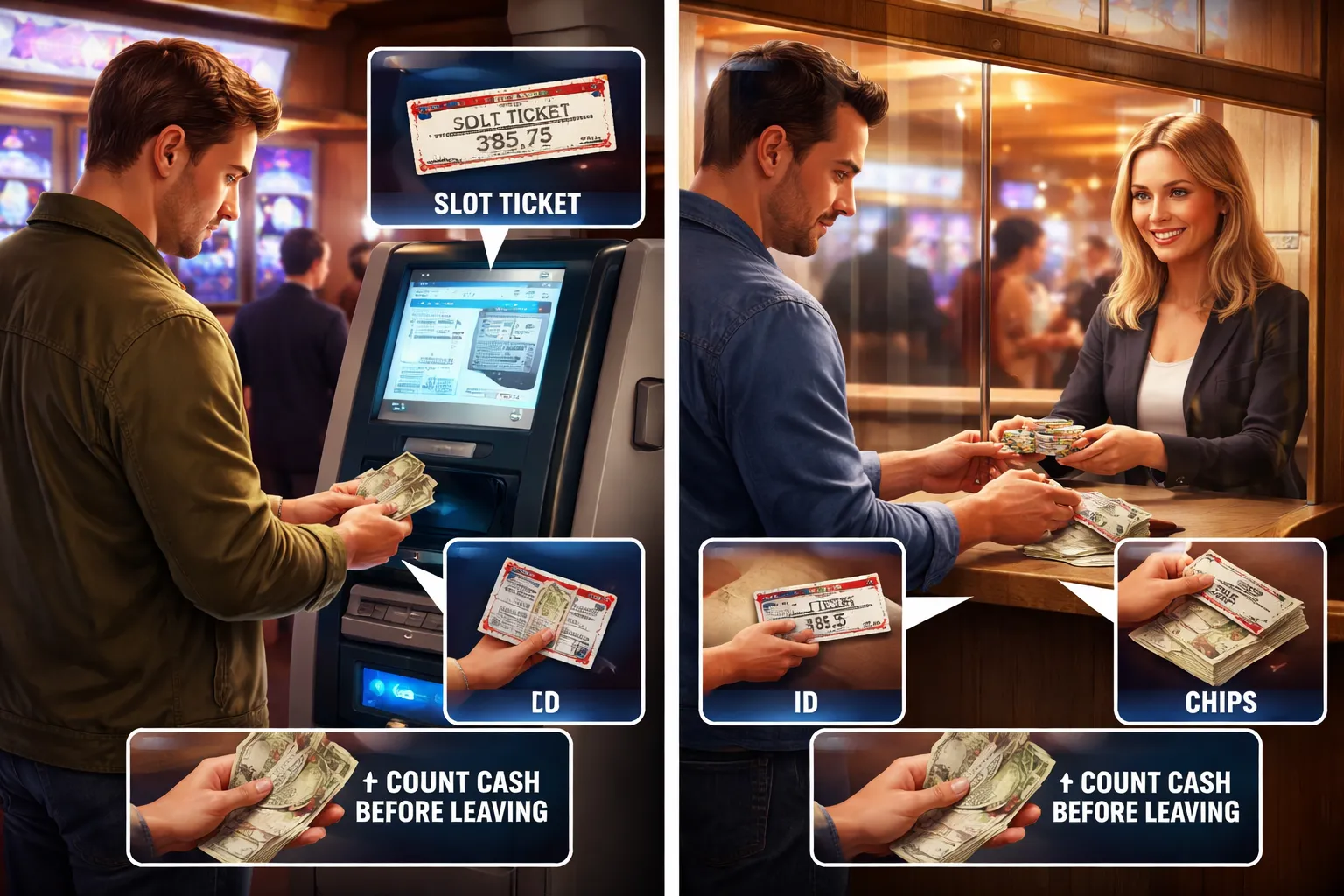
Most slots use TITO, ticket in, ticket out. You insert a bill or ticket to play, then cash out to a printed ticket.
- Take your ticket and your player card when you leave.
- Do not take a ticket you find. It is not yours, even if it looks abandoned.
- If you see a ticket left behind, hand it to an attendant or the cage. Tell them the machine number and location.
- If your ticket will not scan, use a kiosk in another area or ask an attendant. Do not push past people at the kiosk.
Jackpots, hand pays, and patience
Some wins lock the machine and require a hand pay. Staff must verify the win and process paperwork.
- Stay at the machine. Do not touch buttons or power, and do not swap seats with someone.
- Have ID ready. Many casinos require identification for a hand pay.
- Expect delays. A hand pay can take time during busy hours.
- Taxes depend on your location and the win type. Staff may issue forms and withhold taxes based on local rules.
- If you played with a player card, staff may check it. Keep your details accurate.
Volume, flashing lights, and keeping it considerate
Slots get loud. You control most of it.
- Mute or lower volume if you play near other people.
- Use headphones only if the casino allows it, keep volume low, stay aware of staff.
- Do not slam buttons or pound the screen. Report stuck buttons to an attendant.
- Do not film other players or their screens. Many casinos restrict recording.
Money Matters: Tipping, comps, cashing out, and security
Tipping etiquette
Tip with cash when you can. Use small bills. Hand it to the person or place it where they can take it.
- Dealers (table games): Tip at the end of a session, after a win, or when you cash out chips. You can place a chip on the felt and say it is for the dealer. Some games allow you to “bet for the dealer” if you ask first.
- Cocktail servers: Tip per drink when it arrives. You can tip more for fast service, special requests, or frequent rounds.
- Slot attendants: Tip when they handle a hand pay, fix a machine, or help with a ticket issue. Tip more if they solve a problem fast.
- Valet and bell staff: Tip when you pick up your car. Tip when bags reach your room or car.
Do not tip with tickets. Do not ask for comps or exceptions in exchange for tips.
Comps and players cards
Get a players card before you start. Use it every time you play. Insert it at slots. Present it at the table before you buy in.
- Comps usually track by time played and average bet. Big swings and short sessions often rate worse than steady play.
- If you switch games, keep your card use consistent. Ask the pit to rate you if you sit at a new table.
- Keep your comp requests simple. Ask at the players club or at the end of a session. Avoid asking mid-hand or while a dealer runs a game.
- Know the terms you see on signs and apps. House edge, RTP, and variance affect what you get back over time. Use the site glossary if you need a quick refresher.
Cashing out: cage vs. kiosk
Slots pay out by ticket. Tables pay out by chips. You convert both to cash at the right place.
- Kiosk: Best for slot tickets and small, fast cashouts. Count your cash before you step away.
- Cage: Best for large amounts, mixed tickets, chips, foreign bills, and questions. Bring ID if you cash out big.
If you have a dispute, stop and keep the ticket, chips, and receipts. Do not leave the area. Ask for a supervisor. Give a clear timeline and machine or table number. Let them pull camera footage.
Security basics
Treat cash like you would in an airport. Keep it out of sight. Keep it organized.
- Use a wallet. Avoid flashing bankrolls, stacks of chips, or thick ticket bundles.
- Count money at the cage window or a quiet corner, not in the middle of the floor.
- Do not take money, chips, or tickets from strangers. Do not “hold” someone’s cashout ticket.
- Watch for shoulder surfers at kiosks and ATMs. Shield the screen. Take your card and receipt.
- If someone bothers you, follow you, or offers “help,” involve staff. Walk to security or the cage, not to the parking lot.
End-of-night etiquette
Leave clean. Leave clear. Settle everything before you exit.
- Tables: Finish the hand, then tell the dealer you are done. Color up chips if you have many small chips. Tip if you plan to.
- Slots: Cash out your ticket, remove your card, and collect your voucher. Check the seat, tray, and cup holder.
- Credit and tabs: If you opened a bar tab or room charge, close it. Confirm the total. Keep the receipt.
- In het kort: Set a budget and time limit, follow table and slot norms, handle chips and cash cleanly, tip with intent, and leave with everything settled.
- Know the rules before you sit. Pick one game and learn the basics. Use beginner-friendly games first if you need a fast start.
- Pick games with better odds. House edge varies by game and rules. Check a clear odds breakdown at /which-casino-games-have-the-best-odds-ranked-by-house-edge.html.
- Stop chasing patterns. Random outcomes stay random. Avoid the thinking explained at /the-gambler-s-fallacy-explained-with-simple-examples.html.
- Use clean table etiquette. Wait for a new hand, buy in with cash, and keep chips on the table. Do not touch cards in blackjack. Do not slow the game.
- Handle chips the right way. Stack chips so the dealer can read them. Keep high-value chips visible. Ask to color up before you leave.
- Protect your bankroll. Keep cash and chips in one place. Do not flash cash. Count your chips away from the table.
- Tip with a plan. Tip dealers and attendants when service helps you. Tip after a win, a helpful call, or steady drink service. Keep it consistent.
- Control your pace. Take breaks. Eat and drink water. Alcohol raises mistakes and speeds losses.
- Exit clean. Finish the hand, cash out tickets, remove your card, close tabs, and keep receipts.
Golden rules checklist
Want the quick math on common games. Use /casino-odds-comparison-poker-vs-blackjack-vs-baccarat.html to compare your options before you sit down.
FAQ: Casino etiquette and rules for first-time visitors
What should you wear to a casino?
Follow the venue’s dress code. Many casinos allow casual wear. Some bars, clubs, and high-limit rooms require smart casual. Skip flip-flops, ripped clothing, and offensive graphics. Bring a light layer, gaming floors run cool.
Do you need ID to enter or play?
Yes. Bring a valid, government-issued photo ID. Security can card you at entry, at the table, or at the cage. If you win a taxable amount, you also need ID for paperwork. No ID, no play.
Can you use your phone at the table?
Ask the dealer first. Many tables ban calls and filming. Some allow silent texting away from the layout. Keep your phone off the felt. Never photograph chips, cards, or other players. When in doubt, step back.
How do you buy in at a table game?
Wait for a break in action. Place cash flat on the table, not in the dealer’s hand. The dealer counts it and sends chips. Do not touch cards or chips until the dealer finishes the buy-in.
When can you join a table?
Join between hands. For blackjack, wait until the shuffle or ask for “next hand.” For roulette, stop bets when the dealer calls it. For baccarat, wait until the hand ends. For poker, see the floor for a seat.
How do you handle chips correctly?
Keep chips stacked and visible. Do not splash the pot. Do not reach into another player’s area. At table games, bet with chips, not cash. At roulette, place chips in your area. Ask the dealer before changing denominations.
What is proper tipping in a casino?
Tip dealers when you want. Common options: place a small bet for the dealer, or tip chips after a win. Tip bartenders per drink, usually 1 to 2 dollars. Tip valet and bell staff based on service and bags.
Is it okay to give other players advice?
No. Keep strategy comments to yourself. Do not touch another player’s cards or chips. Do not criticize decisions. Casinos treat interference as a problem. Focus on your play and your bankroll.
What should you know about blackjack etiquette?
Use clear hand signals. Hit: tap the table. Stand: wave your hand. Split and double: place chips beside your bet. Do not touch cards in shoe games. Do not slow-roll decisions when the table is full.
What should you know about roulette etiquette?
Know the table limits and chip colors. Do not place bets after “no more bets.” Keep hands off the layout during a spin. Let the dealer pay and clear. Ask before taking photos, roulette layouts show other players’ action.
What should you know about baccarat etiquette?
Do not touch the cards unless the dealer offers and the rules allow it. Place bets early. Keep your hands back during the draw. Avoid side-bet chasing without a plan, house edge runs high on many side bets.
What should you know about poker room etiquette?
Act in turn. Protect your hand. Keep chips in clean stacks. Do not discuss hands in play. Say “raise” before adding chips. Do not string bet. Tip the dealer if you win pots. Use one player per seat.
Can you drink alcohol while gambling?
Yes, if you are of legal age. Pace yourself. Intoxication leads to mistakes and can get you cut off. Casinos can refuse service and ask you to leave. Keep drinks off the betting area to avoid disputes.
What is the fastest way to avoid rules problems?
Read the posted table limits and game rules. Ask the dealer one clear question before you buy in. Follow the dealer’s instructions. If you want better odds, review /which-casino-games-have-the-best-odds-ranked-by-house-edge.html before you choose a game.
Are “hot” machines and “due” numbers real?
No. Each spin, hand, or roll stays independent in regulated games. Streaks happen, but they do not change the math. If you want the data, read /casino-myths-vs-facts-hot-streaks-due-numbers-and-luck-explained.html.
How do you avoid ATM fees and bankroll mistakes?
Set a session bankroll before you arrive. Bring cash you can afford to lose. Avoid repeat ATM trips, fees add up fast. Track buy-ins and cash-outs. If you need the math, see /how-casinos-make-money-house-edge-rtp-and-the-math-behind-it.html.
What should you do if you think there is an error?
Stop and speak up right away. Stay calm. Do not touch chips or cards. Ask for the floor supervisor. Casinos rely on camera review. The faster you report it, the easier it is to fix.
What are common casino no-go behaviors?
- Touching the cards in shoe blackjack.
- Late bets after the call.
- Filming tables or players.
- Borrowing money to keep playing.
- Arguing with dealers.
- Slow play when action waits.
Quick etiquette checklist for your first visit
Conclusion: Play Respectfully, Have More Fun, Avoid Problems
Conclusion: Play Respectfully, Have More Fun, Avoid Problems
Casino etiquette comes down to one thing, do not slow the game or make others uncomfortable. Keep your hands visible. Follow dealer instructions. Respect personal space and the table.
Your best move is to prepare before you sit down. Know the rules, payouts, and basic terms for the game you plan to play. Use these guides if you need a fast refresher, how to read casino game rules and paytables, how casino game odds work, and the casino terminology glossary.
Set a budget. Bring cash you can afford to lose. Leave cards and loans out of it. If you feel tilted, take a break. If you keep chasing, you will make worse decisions and create table tension.
- Before you play: read the table sign, confirm minimums, and watch one hand.
- While you play: act when it is your turn, keep phones off the layout, and talk to the dealer with respect.
- When you leave: color up, cash out, and check your seat and tray.
Final tip, pick one game, learn its rules and signals, then play at a pace that lets the dealer run the table clean.
-
RTP Explained: How to Use Return to Player to Choose Slots
1 week ago -
What Is a Casino and How Does It Work? A Beginner’s Guide
1 week ago -
Casino RNG Explained: How Random Number Generators Work
1 week ago -
The Gambler’s Fallacy Explained (With Simple Examples)
1 week ago -
Casino Myths vs Facts: Hot Streaks, “Due” Numbers, and Luck Explained
1 week ago
-
-
- What should you wear to a casino?
- Do you need ID to enter or play?
- Can you use your phone at the table?
- How do you buy in at a table game?
- When can you join a table?
- How do you handle chips correctly?
- What is proper tipping in a casino?
- Is it okay to give other players advice?
- What should you know about blackjack etiquette?
- What should you know about roulette etiquette?
- What should you know about baccarat etiquette?
- What should you know about poker room etiquette?
- Can you drink alcohol while gambling?
- What is the fastest way to avoid rules problems?
- Are “hot” machines and “due” numbers real?
- How do you avoid ATM fees and bankroll mistakes?
- What should you do if you think there is an error?
- What are common casino no-go behaviors?
- Quick etiquette checklist for your first visit
-
-
- What should you wear to a casino?
- Do you need ID to enter or play?
- Can you use your phone at the table?
- How do you buy in at a table game?
- When can you join a table?
- How do you handle chips correctly?
- What is proper tipping in a casino?
- Is it okay to give other players advice?
- What should you know about blackjack etiquette?
- What should you know about roulette etiquette?
- What should you know about baccarat etiquette?
- What should you know about poker room etiquette?
- Can you drink alcohol while gambling?
- What is the fastest way to avoid rules problems?
- Are “hot” machines and “due” numbers real?
- How do you avoid ATM fees and bankroll mistakes?
- What should you do if you think there is an error?
- What are common casino no-go behaviors?
- Quick etiquette checklist for your first visit
-
Fairness in Casino Games: RNGs, Odds, House Edge, and Return-to-Player (RTP) - Security, Fairness, and Regulation: How Casinos Keep Games Legit - What Is a Casino and How Does It Work? A Beginner’s Guide
1 week ago -
Regulation and Licensing: Who Oversees Casinos and What Rules They Must Follow - Security, Fairness, and Regulation: How Casinos Keep Games Legit - What Is a Casino and How Does It Work? A Beginner’s Guide
1 week ago -
Security, Fairness, and Regulation: How Casinos Keep Games Legit - What Is a Casino and How Does It Work? A Beginner’s Guide
1 week ago -
What Is a Casino and How Does It Work? A Beginner’s Guide
1 week ago -
How Casinos Make Money: House Edge, RTP, and the Math Behind It
1 week ago
-
Security, Fairness, and Regulation: How Casinos Keep Games Legit - What Is a Casino and How Does It Work? A Beginner’s Guide
1 week ago -
RTP Explained: How to Use Return to Player to Choose Slots
1 week ago -
What Is a Casino and How Does It Work? A Beginner’s Guide
1 week ago -
Casino RNG Explained: How Random Number Generators Work
1 week ago -
How to Set a Gambling Budget (and Stick to It)
1 week ago